Good Morning Death, Hello Life
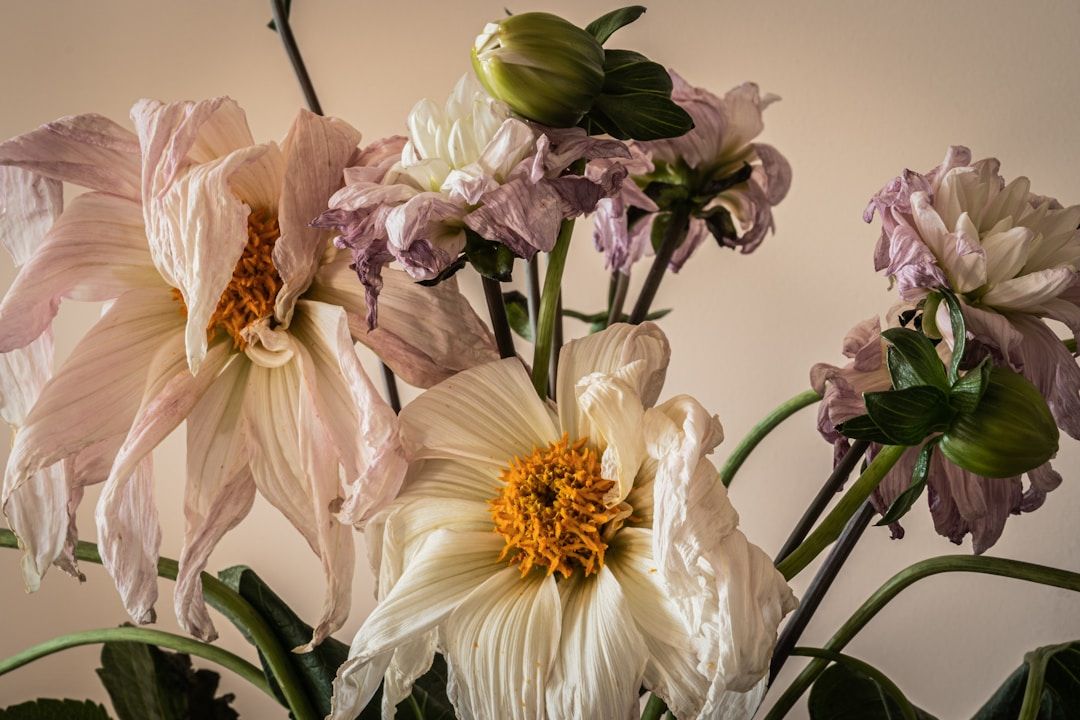
Welcoming death as part of life is an acknowledgment of reality and impermanence. It is a form of mental liberation.
Marketing Spot
Toward the end of a recent Death Chat gathering, one of the participants asked the group if we had any daily practices that supported being with death in order live more fully in the present. We could have spent the entire gathering on that question, and in some ways, maybe we did.
With the question asked, I opened it up to the group to answer before I myself chimed in. It's something I do often; let the participants answer before giving my own. It was silent for a while, which is not rare in this space where we welcome silence as a member of the group. I brought my voice into the space and asked if anyone had daily practices that support them in being present with their lives that they may not associate with thinking about death.
Folks had some things to say after the question was expanded upon. The first participant to speak, after sharing some beautiful daily/nightly rituals, commented that they do seem to relate to being with death after all. When we embrace life, when we are present in this single moment, when we take time to pause and bear witness to our own lives and those around us, we are allowing it to be okay that this life, as we know it, is temporary.
Welcoming death as part of life is an acknowledgment of reality and impermanence. Living in partnership with what is, rather than how we'd like it to be, is a form of mental liberation. When I say good morning to death I am saying hello to life. I am aware that I will die, and that I am supposed to die because that is what humans do (and all other beings too). We are born, we live, and we die. This is the cycle, and it is known as the life cycle, which includes death just as much as it includes birth and life.
Welcoming death as part of life is an acknowledgment of reality and impermanence. Living in partnership with what is, rather than how we'd like it to be, is a form of mental liberation. When I say good morning to death I am saying hello to life. I am aware that I will die, and that I am supposed to die because that is what humans do (and all other beings too). We are born, we live, and we die. This is the cycle, and it is known as the life cycle, which includes death just as much as it includes birth and life.
Death is natural, and is not itself a problem, disease, or intruder.

Yes, death can be brutal and violent and painful. It can also be gentle
and supported and lovely. Often, it will be some combination of many
things. We do not get to choose our deaths, but we do have choices in
how we live and be. I am not saying that by living well, we will
automatically die well. On the one hand, living well is subjective, and
something we each need to figure out for ourselves. And on the other,
life is full of injustice, which means that death is too.
The ravages of industrial capitalism, racism, classism, transphobia, homophobia, and a society that generally chooses to ignore and de-humanize folks who are unhoused, undocumented, and differently-abled affect how we as a people die. Class and financial resources affect how we die. All of this, and also our own personal relationship to death, life, and community affects how we die, and it affects how those around us die.
A for-profit, death phobic medical system created to save lives at all costs, makes it difficult for any of us to know that we are allowed to die. In a death phobic culture we are not offered space to talk openly about aging, death, and the natural life cycle. We are taught to fear death, to fight against it, and to run as far away as we can from anything that has to do with death. And yet, we all experience it. Our own deaths as well as the death that surrounds us as we live every day.
The ravages of industrial capitalism, racism, classism, transphobia, homophobia, and a society that generally chooses to ignore and de-humanize folks who are unhoused, undocumented, and differently-abled affect how we as a people die. Class and financial resources affect how we die. All of this, and also our own personal relationship to death, life, and community affects how we die, and it affects how those around us die.
A for-profit, death phobic medical system created to save lives at all costs, makes it difficult for any of us to know that we are allowed to die. In a death phobic culture we are not offered space to talk openly about aging, death, and the natural life cycle. We are taught to fear death, to fight against it, and to run as far away as we can from anything that has to do with death. And yet, we all experience it. Our own deaths as well as the death that surrounds us as we live every day.
Most of the time the body is moving toward death before the mind is ready, willing, or able to accept it. And while that still may be true within a culture that acknowledges death as a part of life, from my limited personal experience, I can say that folks who are willing to create a practice of saying good morning to death and hello to life are, by the nature of practice, more able to consider offering death a seat at the table when (not if!) it comes knocking at the door.
Practice Saying Good Morning To Death & Hello To Life
-
Talk about death and use the word death, dead, and die instead of pass away or other terms folks use to skirt around saying death, dead, or die.
-
Ask people questions about death and talk about your own inevitable death with respect, curiosity, and a little bit of humor.
-
Take a moment each morning when you wake up, maybe before even opening the eyes, and notice the breath and life force moving through your body. Be grateful for another opportunity to be and live in whatever way you choose.
-
Notice the trees and plants and fungi that grow out of decaying, dead wood, leaves, grass and other matter. Inhale the beauty of the new life and honor the life and death of whatever has fed and nourished them with the exhale. Looking at life and death in the natural world is helpful for folks of any age, and can be a great inroad to understanding the life cycle for children.
-
Start making a meaningful and creative death plan and prepare the documents that go into an advanced directive. Take time with the process, be thoughtful and intentional. Talk to your people about them, about your wishes and hopes for your dying, death, and beyond.
-
When a human friend or relative or a beloved pet dies, allow yourself some moments to be with their body. Watch it change, feel what the room feels like, notice whatever there is to notice. When possible, which may be easier with a pet depending on the circumstances, offer yourself time and space after the death, allowing the next steps to unfold slowly and naturally. Digging and burying can be supportive to the grieving and integration process.
-
Celebrate your dead people and beloveds at regular intervals. This can be yearly on a birth or death anniversary or a specific holiday or other significant day. Keep them present in conversations. You can talk about them, and you can also talk to them.
-
When talking about your own death, play around with using phrasing such as "this body", "the body", or even "my body" instead of "I". For example, "I wonder what will happen when this body dies?" "When my body is dead, I hope you'll still be able to feel my presence." This kind of wording helps us to separate our self, essence, spirit, etc. from the physical body. If you firmly believe that you are your body, this practice may not work for you. But if you are unsure what you believe or willing to play around with the idea, it can help you to feel into the possibility that you and your body are not the same thing.
-
Attend a group where folks are talking openly and honestly about death. There is often laughter in these spaces along with tears, talk of life and gratitude along with death and grief. It is a space where talking about death, our own or someone else's is normal.

Where I live and Work
North Carolina & Virginia
Land Acknowledgement
Cardamom (elettaria cardamomum)
Cardamom has an affinity with the respiratory, digestive, circulatory, and nervous systems. It has the ability to decrease mucous, congestion, sticky sludge, and toxins in the lungs and stomach (decreasing excess kapha and āma). This quality makes it supportive for respiratory illness or disorders as well as digestive issues. It is a digestive stimulant, but gentle enough so as not to create excess heat or pitta in the system when used in moderation and in compatible combination with other herbs. It can be used to reduce nausea, indigestion, bloating, and upset stomach. The affinity for the respiratory system makes it a useful herb in relation to bronchitis, asthma, and cold and cough symptoms. Cardamom has a calm and clear energy (sattva), while also being somewhat aromatic and pungent. These qualities can help to regulate the body’s circulation and heart rhythm while also calming the nerves.
Precautions: People with irritated or actively bleeding stomach ulcers should avoid using cardamom in large quantities. Folks who have had ulcers in the past and feel concerned about the possibility of reoccurrence or other fire/pitta related issues, should be mindful of how much, and in what they consume this herb.
Pippali (indian long pepper, piper longum)
Pippali is an excellent lung rejuvenation tonic and helpful in alleviating cold, cough, congestion, bronchitis, and laryngitis. It can be a supportive herb for those with asthma, long standing bronchial issues, and chronic/degenerative lung diseases. In addition to its’ affinity for the respiratory system, pippali also has an affinity for the circulatory and digestive systems. It can help with issues of poor circulation, stimulate the circulation of air/breath which can move vital energy or prāna through the system, address parasites, flatulence and bloating, loss of appetite, and kindle the digestive fire (agni) without aggravating pitta.
Pippali has a heating energy but a sweet post digestive effect, which means it is less drying and also less hot than herbs like black pepper, ginger, or cayenne pepper. This makes pippali a better choice for those with excess heat or inflammation in the body (pitta).
Andrographis (kalmgh,
andrographis paniculata)
This bitter herb is a powerful immunostimulant with antivaral properties. Its cooling energy makes it a good herb for calming or reducing pitta, while the pungent post digestive effect is supportive for kapha. If used in excess or not in balanced formulation, these same attributes could increase the light, dry, and rough qualities of vāta dosha. Andrographis can serve to enhance liver function, stimulate bile flow, and break up congestion in the lymphatic system. It can be used to help move constipated bowels, regulate irregular bowel movements, and clear toxins from the system (āma). Andrographis can also act as a cleansing and rejuvenating herb for the blood and skin (which is linked to liver function), and help with eczema, psoriasis and other forms of dermatitis or itch rashes.
Precautions: People who are pregnant or lactating should avoid this herb or use it minimally with guidance from a qualified practitioner.
Fennel (foeniculum vulgare)
Fennel is one of my favorite herbs. It is good medicine for me in all of its’ forms. I was so expressive about my deep affinity and affection for this plant during a class session once, that one of the students felt moved to send me a one pound bag of fennel seed powder. A gift that touched my heart and made me laugh. Fennel is considered to be a tridoshic herb, meaning that is can pacify all three of the doshas, which makes it a supportive herb for all constitutions or body types. It has calming, clarifying, refreshing, gentle, and peaceful qualities (sattva). Fennel has affinity for the nervous and digestive systems and supports plasma, blood, and muscle tissue.
Fennel is an excellent digestive aid for pitta, or people who experience heat/fire related digestive issues, such as heartburn and acid indigestion, who are otherwise unable to tolerate the pungency of things like ginger, garlic, or chili pepper. It can help to kindle the digestive fire and clear out toxins and metabolic waste (āma) without increasing heat in the body. Fennel helps to move energy downward, making it a good herb to relieve bloating, flatulence, and abdominal discomfort often associated with excess vāta. Where it is most supportive to kapha dosha (earth and water elements) is its’ ability to to clear bronchial congestion, especially when combined with ginger to add in a bit of needed heat.
The gentleness of fennel makes it a good digestive aid for adults as well as children, and is a supportive in relieving colic in infants. Likewise it is helpful to relieve nausea, and is often used to help pregnant people with morning sickness. For breastfeeding people, fennel can help to support the production of breast milk and if used by the breastfeeding person will also help to reduce colic for the baby drinking the milk.
Shatāvari (asparagus root,
asparagus racemosus)
Shatāvari is bitter, sweet, and cooling to the system. It is known as an excellent rejuvenating herb for pitta and vāta, and can increase kapha due to the sweet taste and sweet post digestive effect. Its ability to deeply nourish and build tissue while also being cooling and anti-inflammatory is what makes shatāvari an good herbal ally for folks in a weakened or debilitated state, as well as people experiencing excess heat in the form of inflammation, irritation, burning sensations, profuse menstrual bleeding, hot flashes, or hyperacidity. It is generally a good herb to support the immune system and protect ojas, our vital energy reserves and strength.
Shatāvari has an affinity for the blood, liver, lungs, kidneys, reproductive system, urinary tract, and GI tract. It can cool and purify the blood, while also sooth and nourish inflamed mucus membranes. Shatāvari is often used to support people with a uterus to help regulate the menstrual cycle, support the transition into menopause, and help to bring physical, mental, and emotional balance after a hysterectomy when combined with other nervous system calming herbs. It can also help to improve the quantity and quality of breast milk. Shatāvari is also used for people who are experiencing various forms of chronic fatigue, colitis, gastritis, IBS, herpes, diarrhea, urinary tract inflammation and infections, and ulcers.
Precautions: Due to the building qualities of shatāvari, folks with an excess of toxic build-up (āma) in the system, excessive mucus, or high kapha related issues should avoid or moderate how they use this herb.
Cinnamon (cinnamomum zeylanicum)
As a common kitchen spice, the medicinal power of cinnamon is often overlooked. The warming and stimulating properties of cinnamon promote digestion, absorption, and assimilation of nutrients in food and herbal compounds. Cinnamon is a wonderful herb to add to heavier foods, such as rice, potato, dairy, or meat in order to balance out those heavy qualities. Likewise it is useful to balance out an otherwise heavy or cold herbal compound.
Due to the hot and pungent qualities, it is pacifying to vāta and kapha and should be used with awareness and in appropriate combination so as not to aggravate pitta. Cinnamon can act as an expectorant, making it useful in alleviating sinus or chest congestion and is often used to treat colds, coughs, and the flu acting to burn toxins within the body.
Due to the hot and pungent qualities, it is pacifying to vāta and kapha and should be used with awareness and in appropriate combination so as not to aggravate pitta. Cinnamon can act as an expectorant, making it useful in alleviating sinus or chest congestion and is often used to treat colds, coughs, and the flu acting to burn toxins within the body.
Lavender (lavandula angustifolia,
lavandula x intermedia)
Lavender is well known as an aromatic, relaxing herb. And while that is true, there is so much more. Lavender is calming to the nervous system and can be used as a sleep aid. It can also help to settle anxiety, lift dark, heavy moods, and sooth a headache. The stress relieving properties make it useful in alleviating physical stress in muscles as well as mental and emotional stress. Especially when paired with rose, lavender can help to move grief and open the heart.
Lavender has bitter, cooling, and dry qualities. This makes it nice for cleansing and toning the of the skin. The bitter quality makes it useful as a digestive aid. With anti-bacterial and anti-fungal properties, lavender can be used to treat some wounds or as an anti-septic wash or cleanser. Lavender is often used in combination with other herbs for yoni/vaginal steaming or as a steam for the head and respiratory system. With this powerful and versatile herb, a little goes a long way. Sometimes the scent alone is enough to calm the mind and relax the nervous system.
Licorice (yashti madhu, glycerrhiza glarba)
I use licorice, in varying quantities, in many of the products I offer. So much so, that I have to intentionally leave it out of some teas and compound formulas in order to accommodate folks who have an aversion to this sweet yet bitter herb. When used in appropriate combination, even a small amount can act as a harmonizing agent and enhance the overall effects of whatever it is mixed with. Licorice can help to soften and balance the dry or rough qualities of other herbs in a formula while adding some needed sweetness, making harsh tasting herbs more palatable.
Licorice is calming to the nervous system and is thought to awaken positive cellular memory, promoting a sense of satisfaction and contentment. It is nourishing and building for folks experiencing debility, exhaustion, adrenal fatigue, and the many stresses of our current, popular culture. It can also be a good herb for people recovering from overuse or abuse of stimulants, coffee and caffeine in any form, alcohol, and other drugs.
Its’ affinity to the respiratory system makes licorice useful in alleviating cough, congestion, bronchitis, laryngitis, upper respiratory infections, sinus infections, and soar throat. It has the ability to liquify and expel phlegm while also soothing inflamed bronchioles. Licorice also has an affinity with the digestive system, and can help to sooth inflammation of the GI tract. It can help move constipation, especially when the cause is dryness of the colon. Licorice is also helpful in soothing inflammation of the genitourinary tract, which can be caused by cystitis, vaginitis, urinary infection, and yeast infection.
Precautions: Though often safely used in small amounts as a harmonizing energy in heart formulas, people experiencing hypertension or chronic heart conditions should be aware of how much licorice they consume.
Tulsi (holy basil, ocimum sanctum)
Tulsi is native to India (and currently grown throughout the world) and considered to be a sacred, holy plant in the Vedic traditions, Hindu religion, and secularly within Indian culture. It is used to purify indoor and outdoor spaces and known for its’ ability to open the heart and offer a sense of serene clarity (sattva) while promoting overall health and well being. Tulsi acts on the emotional heart and on the physical heart, as well as the entire body-mind-spirit. Tulsi has an affinity for the nervous, respiratory, urinary, circulatory, and digestive systems. It has sedative, expectorant, antiseptic, and antibacterial properties. This plant is quite aromatic and beautiful to look at with its’ deep green leaves and tiny purple flowers. It is in the basil family, and looks similar to common basil plants. Bees and butterflies seem to love it as much as I do!
Tulsi’s affinity to the respiratory system, makes it effective for treating asthma, bronchitis, cough, and sinus congestion. It has a special relationship to the lungs in particular, which is where the body holds grief and deep-seated sadness. As it also acts to calm the nervous system and strengthen the heart, a practice of drinking tulsi tea or chewing on the fresh leaves can help to move grief and support a slow and steady healing process. As a heart tonic, it can act to promote oxygenation of the heart muscle through coronary vasodilation.
Tulsi has a calming effect on the senses, which is why I use it in both the Nasya Herbal Nose Oil and the Karna Purana Herbal Ear Oil. The antibacterial properties make it good for soothing ear infections, and the affect on the nervous system makes it helpful to sooth tinnitus and stimulate nerve damage that causes mild/moderate hearing loss. Tulsi can also help to relieve stress related, tension headaches, regulate blood sugar and cholesterol, promote absorption in the GI tract, sooth insect bites and skin diseases, and support good oral hygiene and gum disease.
Oatstraw (avena sativa)
Oatstraw (and oat in general) are nourishing to the nervous system, adrenals, and the heart. It is calming and soothing like a wanted hug. Oat can act as a buffer to the nerves in relation to the daily barrage of stress and stimulation we all experience, which eventually can lead to depression, anxiety, and low immune function. You can think of it like an energetic shield for protection from this modern, electronic, workaholic, overstimulating life. The mucilaginous quality of oat can literally protect and nourish the bodily tissues. Oat is soothing to both vāta and pitta. It can help calm the mind, cool the heat of anger and irritability (mental and physical), help with sleep issues, and is also soothing for the skin.
Rose (rosa centifolia)
Rose has been used for thousands years, across many cultures to sooth the mind, heart, emotions, and spirit. I love rose, and I use it in many formulas for tea as well as body oils. Just thinking about it as I write this, offers me an exhale and a feeling of calm relief. I once had some rose petal jelly that a friend made and my knees literally buckled as I felt a sense of great love wash over me. I slowly consumed that jar of jelly over time with a practice of spreading some on an oat cake each afternoon for several weeks as I was offering doula services to a friend and her family. This practice supported all of us as I was continually infused with cool, loving sweetness each day.
Rose has cool, sweet, bitter, and astringent qualities. Rose can help reduce excess heat in the body as well as the mind. It is a wonderful herb to sooth pitta dosha or anyone experiencing excess heat in any form, including anger, frustration, and negative thinking patterns. Rose truly does calm the heart and cool the blood, while invoking a sense of calm, clarity, and love. It has an affinity to the physical heart muscle as well as the emotional and spiritual heart. Rose can help to reduce internal and external inflammation, sooth irritated skin and eye conditions, cleanse the blood, and help with headaches caused by excess heat. It can also be supportive in calming the nervous system, reducing anxiety, and supporting the being through periods of grief and overwhelm.
Slippery Elm (ulmus ruba)
This herb tells us most of what we need to know by its’ name. Slippery Elm is slippery! It has mucilaginous qualities, making it useful to sooth a sore throat, cough, inflammation of the GI tract, and general soothing/moistening of the mucus membranes of the body. Topically it can be used to treat wounds and skin disorders. Slippery Elm is considered sweet in taste and is also cooling to the body-mind-spirit. This makes it a kapha increasing herb, as kapha is both sweet and cold. It is an excellent herb for pitta, which is hot in nature, and for vāta due to the moistening qualities (vāta is dry in nature). As with all herbs, the way we mix them and the method of intake will affect the overall effect of a formula.
Slippery Elm is considered to be an at risk plant by The United Plant Savers. It an herb that I use sparingly, and am extra careful as to where and how it is sourced. Often times, there are good alternatives, such as marshmallow, licorice, comfrey, or mullein, depending on the healing need. The only formula you will find it in within the apothecary on this website is the Respiratory & Immune Support Formula.
Brahmī (gotu kola, centella asiatica)
The name brahmī refers to the feminine or lunar aspect of higher consciousness (cosmic consciousness, higher power, god, brahman, great spirit, etc.) It is pacifying to all three doshas and is said to kindle the flame of intelligence and inner knowing. There are two plants with very similar qualities that are both referred to as brahmī. The one I most often use is gotu kola/centella asiatica because it is more readily available in the western part of the earth. The other is bacopa/bacopa monniera, which is a bit stronger in action.
Brahmī/Gotu Kola promotes cellular regeneration and is wonderful for rejuvenation of the entire mind-body-spirit. It can help to support memory, awareness, sleep, anxiety, immune function, and adrenal gland function. It is a blood purifying herb, and supports proper function of the liver, spleen, and pancreas, while helping with chronic skin disorders such as psoriasis and eczema. It has the ability to calm the mind and promote a sense of calm and presence. When used in oil, it is wonderful for the skin, and especially for use on the head, face and heart/chest. It has a bitter taste and goes well in tea blends with sweeter herbs. It is wonderful tea to use to support a meditation practice or anytime one wants to bring a sense of calm and ease into their being.
Chamomile (matricaria chamomilla)
Chamomile is well known as a gentle, relaxing herbs and is often used in bed time or relaxing tea blends. It had a mild sedative effect and can help melt tension in the body-mind-spirit. It is calming for pitta and kapha dosha, and generally the same is true for vāta. Due to its’ bitter quality, it can be aggravating to vāta, but only if used in excess without combination. It is a great herb for calming stress, anxiety, and restlessness in adults and children alike. Chamomile can help to sooth colic, gas, and flatulence. It can be ingested as a tea by nursing parents or given directly to young children for this purpose. Referring back to the bitter quality of chamomile, it can be helpful to sooth inflammation and draw out impurities. It is often used externally and internally for this purpose.
Ashwagandha (winter cherry,
withania somnifera)
A strong nutritive tonic for vāta dosha and symptoms of debility, fatigue, nervous system burn out, and people in their elder years. It can be supportive after giving birth or other types of intense physical exertion, as well as being supportive after a traumatic event that is not only physical but also mental or emotional. It can help to balance hormone levels, offer support with insomnia and anxiety, and promote clarity of mind and memory in people of all ages. Ashwagandha can be aggravating to pitta dosha, or people with excess heat in the body due to its warming energy. And because of its supreme tissue building properties, may be challenging for people with a lot of toxic build up (āma) in the system.
Precautions: High doses during pregnancy may cause uterine contractions. Lower/moderate amounts in proper combination are sometimes used during pregnancy when indicated. If you aare pregnant, please consult a healthcare professional.
Guduchi (tinospora cordifolia)
Guduchi can help to protect, support, and regulate the immune system in both chronic and acute conditions. It can protect the body’s strength and life force (ojas and prāna) while neutralizing toxins (āma), and is supportive to all three doshas, making it a good herb for all constitutions and body types. It is a nice herb to use for reducing inflammation, easing arthritis, soothing skin disease, balancing hormones, and calming neuromuscular pain. Guduchi can be used to prevent seasonal sickness such as cold and flu, and can help to ease related infections of the ear nose, and throat. It is also a supportive herb for those who experience seasonal allergies, autoimmune disease, liver or spleen issues, hemorrhoids, irritable bowel syndrome, and viral or bacterial infections.
Wild Yam (dioscorea villosa)
&
Vidari (alligator yam, ipomoea digitata)
I am discussing wild yam and vidari together in this section because their qualities are so similar, and I use them interchangeably based on what is available. As a tuberous root grown within the earth, this plant offers stable and grounding qualities. It is sweet in taste with a secondary, bitter note and also cooling to the system. As a demulcent and mucilaginous substance, it can help to soothe inflammation inside and out. It is soothing to the skin as well as the urinary tract, GI tract, and nervous system. It is a wonderful herb for soothing vāta and pitta in that it has nourishing and building qualities, which can subsequently increase kapha. It is helpful in cases of debility, chronic fatigue, fibromyalgia, general nerve pain, muscle weakness, and general exhaustion or burn out.
Wild yam and vidari have an affinity to the reproductive system and can help to balance hormones in bodies with all kinds of reproductive organs, making it helpful for people experiencing menopause, hormone therapy, or other kinds of hormonal shifts throughout the life cycle. It can support fertility by nourishing the ovum, toning the uterus, and promoting spermatogenesis, and also support lactation.
Bala (country mallow, sida cordifolia)
Bala is a sanskrit word that translates to strength in english. It is super nourishing and strengthening to all of the bodily tissues and has affinity for plasma, muscle, nerve, marrow, and reproductive tissues. It is a great rejuvenative tonic for vāta and pitta, and due to its heavy qualities, can increase kapha when used in excess or improperly combined. Kapha dosha is strong in nature, so if in stable condition does not inherently need extra strength. It is a wonderful herb after giving birth and for people in their wisdom years. I use it in the momma and baby massage oil, which is an equally good massage oil for elders and anyone experiencing debility, fatigue, or recovery. Bala can be supportive for folks experiencing chronic fatigue, muscle spasms or atrophy, nerve discomfort, menstrual disorders, fertility issues, osteoporosis, and osteoarthritis.
Precautions: People experiencing hypertension should use caution if ingesting (eating/drinking) this herb.
Eucalyptus (eucalyptus globulus)
The only product I am currently making with eucalyptus is the Nasya Herbal Nose Oil. Using it in this way, as a steam, or other method of inhalation, eucalyptus can help to cleanse and “disinfect” the respiratory tract, open the bronchi, and free up blocked energy so that prāna (life force energy) can flow. It is effective in alleviating symptoms of cold, flu, sinus infection, and upper respiratory infection. The antiseptic and astringent qualities of eucalyptus make it useful as a topical medicine for mild to moderate wounds and skin sores as well as the treatment of scabies, bed bugs, and fleas. It is also helpful in alleviating inflammation, muscular pain, and arthritis when used topically.
Precautions: People who are pregnant or experience kidney disease should avoid ingesting or eating eucalyptus. In general, moderation and knowledge of the source should be considered when ingesting or eating eucalyptus due to some mild, irritating effects on the GI tract if the older, less fragrant leaves are used. The young, aromatic leaves are best used for internal or external purposes.
Amalaki (emblica officionalis)
A wonderful rejuvenating herb that can strengthen the immune system and nourishes all of the bodily tissues . Amalaki is calming to all of the doshas, and especially pacifying for pitta. It is a rich source of vitamin C and iron, and remains stable even after heating. It can help to calm excess heat and inflammation throughout the entire GI tract while also nourishing bones, teeth, and hair. Amalaki has affinity with the liver, spleen, pancreas, lungs, eyes, and heart.
Precautions: Acute diarrhea that cannot be controlled or managed.
Motherwort (heartwort, leonurus cardiaca)
Motherwort offers a special kind of embrace and can impart a stable fierceness that allows us to step into our authentic selves. With a nourishing coolness this herb can help us tune into the rhythms of the moon and how those rhythms move within our own bodies. Whatever kind of relationship we may have with our own mothers or parental figures, motherwort offers a pure form of mothering we can all benefit from.
Motherwort is considered to be a cardiac tonic, and can have a regulating or calming effect on the heart. The physical heart muscle as well as the heart chakra or energetic heart space. It also has affinity for the nervous system and is useful in calming the entire body-mind-spirit. The pungent quality gives motherwort the ability to move stagnation and blockages, making it helpful for edema, blood clots, cysts, and scanty or absent menses. In consideration of the heart, it is useful to regulate tachycardia, angina, and palpitations. Motherwort can also help to calm convulsions or spasms and relieve nervous tension.
The qualities are bitter, somewhat pungent, and cooling. If used in excess over a long period of time, and without proper combination, it could aggravate vāta, but generally is well received by all constitutions or body types (all doshas). The bitter and cooling qualities make motherwort an ally for people with heat related, menopausal experiences such as hot flashes or night sweats, and is also supportive in regulating mood swings and menopause induced insomnia. Likewise it can be useful in supporting anyone with sleep issues or confusing mood imbalances.
Precautions: Motherwort can cause uterine contractions and should be avoided during pregnancy. It should also be avoided for those who are experiencing excessively heavy menstrual bleeding or too-low blood pressure.
Spearmint (mentha spicata)
Spearmint is cooling to the system, but its’ gentle pungency keeps it from being “too cold”, especially in a well balanced combination, which will be helpful for vāta. It is a nice herb for pitta, in that is can help to stimulate digestion without adding excess heat to the system. Spearmint can help clear a foggy mind and get our circulation moving, which makes it helpful to kapha dosha. It has an affinity to the respiratory, digestive, circulatory, and nervous systems. It is helpful to alleviate inflammation, heartburn, headache, gas, nausea, sinus congestion, sore throat, toothache, cramps, and nervous tension. Applied to the skin, it can help reduce swelling due to nerve or muscle pain (though peppermint may be a stronger more effective herb in this case, due to its’ much higher level of menthol).
Spearmint has a sweet quality, making it more subtle and less pungent than peppermint. You can even see and feel this difference by comparing the fresh leaves of a spearmint plant to those of peppermint. It is more delicate and soft, while still offering a beautifully aromatic minty flavor. Both of these minty beauties (spearmint and peppermint) have something valuable to offer, and tend more toward spearmint when making tea blends. It is generally a lovely harmonizing herb in combination, offering a layer of calm, clarity to the body-mind-spirit.
Turmeric (curcuma longa)
Anti-inflammatory, antibacterial, reduces toxins, improves digestion, strengthens joints and tendons, improves circulation.
Energy: heating
Effect On Doṣa: reduces vāta, pitta, kapha
Ginger (zingiber officinale)
Stimulates digestion, reduces gas, purifies blood, anti-inflammatory, analgesic, eases menstrual cramps, anti-nausea.
Energy: heating
Effect On Doṣa: reduces vāta and kapha, increases pitta
Cumin (cuminum cyminum)
Digestive aid, relieves gas, anti-inflammatory, analgesic, diuretic, flushes out toxins, contains antioxidants and iron.
Energy: mildly heating
Effect On Doṣa: reduces vāta and kapha, neutral for pitta
Coriander (coriandrum sativum)
Relieves gas, diuretic, soothes nausea, aids in treatment of urinary tract, anti-parasitic, calms muscle spasms.
Energy: cooling
Effect On Doṣa: reduces vāta, pitta, kapha
Black Pepper (Piper nigrum)
Stimulates digestion, loosens mucus, improves bioavailability of other herbs, stimulates sweat.
Energy: heating
Effect On Doṣa: reduces vāta and kapha, increases pitta
Nutmeg (myristica fragrans)
Aids digestion, soothes diarrhea and colitis, analgesic, anti-convulsant, sedative, stimulates menstruation, liver tonic.
Energy: heating
Effect On Doṣa: reduces vāta and kapha, increases pitta
Clove (syzygium aromaticum)
Aids digestion, analgesic, aphrodisiac, eases cough, asthma, and hiccups.
Energy: heating
Effect On Dosa: reduces vāta and kapha, increases pitta
Ether
Ether governs space. The qualities are clear, light, and subtle. It is associated with the ears, sound, and hearing. All empty space in the body is connected to the element of ether. The whole universe lives within ether. It is all pervading, omnipresent, eternal, and formless.
Air
Air governs movement. The qualities are mobile, dry, light, cold, rough, and subtle. It is associated with touch, the skin, giving and reeving. The pulsations of the heart, the expansion and contraction of the lungs, and all cellular movement and nerve impulses are connected to the element of air. Nothing moves or changes without air.
Fire
Fire governs transformation. The qualities are hot, sharp, dry, light, and subtle. It is associated with from, vision, and the eyes. Digestion, absorption, assimilation, and transformation of food, experiences, thoughts, and feelings are connected to the element of fire. Fire is the principle of radiance and the manifestation of awareness.
Water
Water governs cohesion. The qualities are heavy, cold, liquid, dull, soft, slimy, and oily. It is associated with taste and the tongue. Plasma, all mucous membranes, synovial fluid, and the lymphatic system are all associated with the element of water. Water is liquefied consciousness, and the medium in which all of the other elements maintain their function.
Earth
Earth governs structure. The qualities are heavy, dull, static, stable, dense, and hard. It is associated with odor, smell, and the nose. The bones, teeth, hair, nails, and all hard tissues of the body are associated with the element of earth. Earth is the crystallization of consciousness, and that which holds all of existence.
Summer
Fullness. Everything visible at once, the love, the grief, the complexity of it all held together. This is presence at its fullest: showing up completely, for someone else or for yourself, without needing to soften what's true.
Spring
New growth alongside grief. Spring reminds us that living and dying are never fully separate, life continues even in the presence of loss. This is a season for tending what's beginning, even while holding what's ending.
Autumn
Letting go. A season of release, of loosening what no longer needs to be held so tightly. In dying, this can be the slow unwinding: saying what needs to be said, and beginning to let go of what comes next.
Winter
Stillness and rest. The quiet after release, before what comes again. In death, this is the space held after someone has gone: not empty, but full of its own kind of presence.
Turmeric (curcuma longa)
Anti-inflammatory, antibacterial, reduces toxins, improves digestion, strengthens joints and tendons, improves circulation.
Energy: heating
Effect On Doṣa: reduces vāta, pitta, kapha
Cumin (cuminum cyminum)
Digestive aid, relieves gas, anti-inflammatory, analgesic, diuretic, flushes out toxins, contains antioxidants and iron.
Energy: mildly heating
Effect On Doṣa: reduces vāta and kapha, neutral for pitta
Fennel (foeniculum vulgare)
Relieves gas and cramping, expectorant, diuretic, treats coughs and hiccups, moves lymph, increases mental alertness, strengthens digestion without creating heat.
Energy: slightly cooling
Effect On Doṣa: reduces vāta, pitta, kapha
Cardamom (elettaria cardamomum)
Mouth freshener, reduces gas, expectorant, aids digestion, relieves asthma and bronchitis, laxative.
Energy: mildly heating
Effect On Doṣa: reduces vāta and kapha, neutral for pitta
Nutmeg (myristica fragrans)
Aids digestion, soothes diarrhea and colitis, analgesic, anti-convulsant, sedative, stimulates menstruation, liver tonic.
Energy: heating
Effect On Doṣa: reduces vāta and kapha, increases pitta
Ginger (zingiber officinale)
Stimulates digestion, reduces gas, purifies blood, anti-inflammatory, analgesic, eases menstrual cramps, anti-nausea.
Energy: heating
Effect On Doṣa: reduces vāta and kapha, increases pitta
Coriander (coriandrum sativum)
Relieves gas, diuretic, soothes nausea, aids in treatment of urinary tract, anti-parasitic, calms muscle spasms.
Energy: cooling
Effect On Doṣa: reduces vāta, pitta, kapha
Black Pepper (Piper nigrum)
Stimulates digestion, loosens mucus, improves bioavailability of other herbs, stimulates sweat.
Energy: heating
Effect On Doṣa: reduces vāta and kapha, increases pitta
Cinnamon (cinnamomum zeylanicum)
Aids digestion, increases appetite, stimulates liver, controls blood sugar, diuretic, expectorant, oil is analgesic.
Energy: heating
Effect On Doṣa: reduces vāta and kapha, increases pitta
Clove (syzygium aromaticum)
Aids digestion, analgesic, aphrodisiac, eases cough, asthma, and hiccups.
Energy: heating
Effect On Dosa: reduces vāta and kapha, increases pitta
Created with